Exploring the Benefits of Swiss Screw Machining for Complex Geometries
Understanding Swiss Screw Machining
What is Swiss Screw Machining?
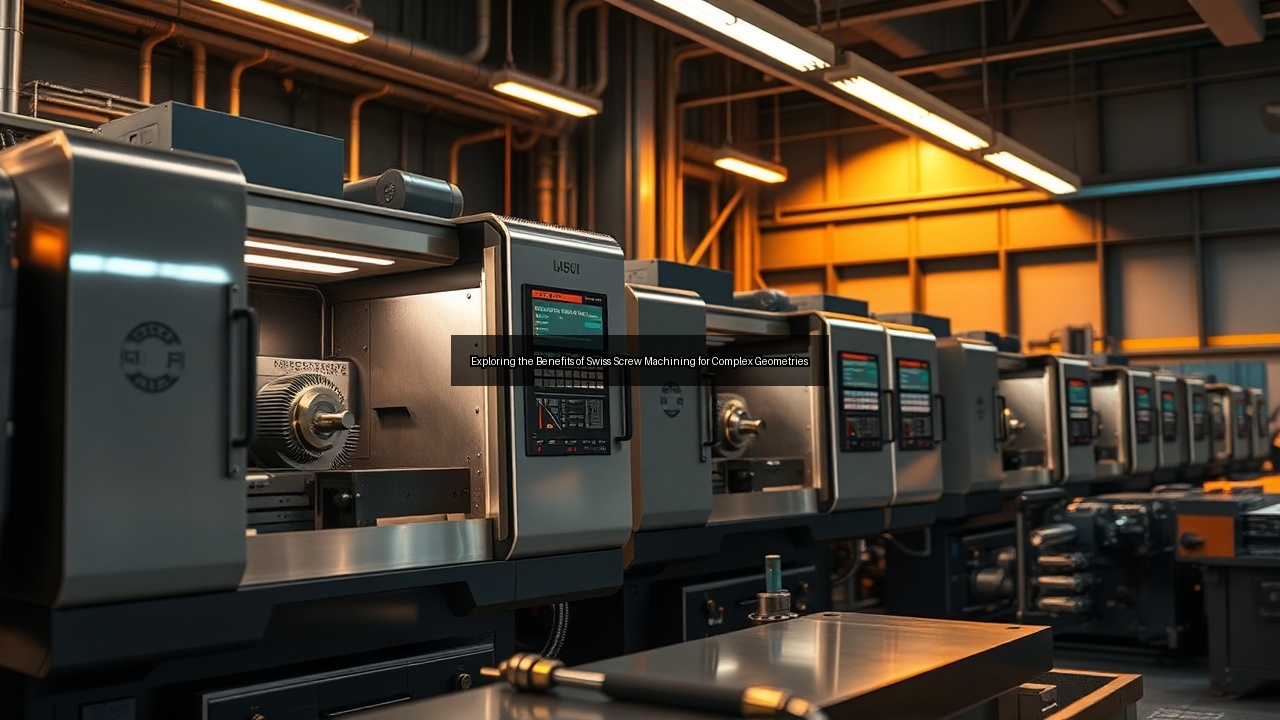
Swiss screw machining, often referred to simply as screw machining, is a specialized manufacturing process that focuses on producing high-precision parts with complex geometries. This technique relies on Swiss lathes, which feature a unique design that allows for the machining of intricate components in a single setup. The machine uses a rotating spindle to hold the workpiece while a series of cutting tools shape the material into the desired form. This capability makes Swiss screw machining ideal for creating parts that require tight tolerances and detailed features. Industries such as aerospace, automotive, and medical devices frequently utilize this technology to meet stringent quality demands.
How Swiss Lathes Operate
Swiss lathes operate by moving the workpiece through a series of fixed cutting tools, allowing for continuous production with minimal downtime. This process involves the use of a sliding headstock that keeps the material in constant motion, enabling the simultaneous machining of multiple features. As the workpiece rotates, the tools can execute various operations, including cnc swiss machined turning, drilling, and threading. The versatility of Swiss lathes makes them suitable for a range of materials, from metals to plastics. Their design maximizes efficiency, reducing waste and minimizing the need for secondary operations, which further enhances productivity in manufacturing environments.
The Importance of Precision Tolerances
Precision tolerances play a critical role in Swiss screw machining. These tolerances define the allowable variation in dimensions for finished parts, ensuring they fit perfectly in their intended applications. Swiss screw machining excels in achieving these tight tolerances, often within a few microns. The ability to maintain such precision is vital in sectors like aerospace, where component failure can have catastrophic consequences. This level of accuracy stems from the inherent design of Swiss lathes, which minimize tool deflection and vibration during the machining process. Maintaining precision enhances the reliability and performance of machined components, making Swiss screw machining a preferred choice in high-stakes manufacturing scenarios.
Advantages of Swiss Screw Machining for Complex Geometries
Efficiency in Manufacturing Processes
Efficiency stands as a fundamental advantage of Swiss screw machining, particularly when dealing with complex geometries. The design of Swiss lathes allows for the rapid production of intricate components, reducing cycle times and increasing output. Manufacturers can produce parts with multiple features cnc swiss lathes in a single operation, significantly cutting down on the time and resources typically required for traditional machining methods. This efficiency translates to lower production costs and faster turnaround times, enabling companies to respond quickly to market demands. The ability to produce high volumes of precision parts without sacrificing quality makes Swiss screw machining an excellent choice for manufacturers aiming for competitive advantage.
Quality Management Systems in CNC Swiss Machining
Implementing quality management systems (QMS) in CNC Swiss machining enhances the reliability and consistency of the manufacturing process. These systems are designed to monitor and control various aspects of production, ensuring that every component meets the required specifications. Swiss screw machining benefits from QMS through rigorous inspection protocols and documentation practices, which help to identify and rectify potential issues before they escalate. The integration of QMS into the machining process promotes a culture of continuous improvement, where manufacturers strive to enhance their methods and outcomes. This proactive approach not only boosts product quality but also strengthens customer trust in the reliability of Swiss-machined components.
Benefits for Aerospace Applications
Aerospace applications demand the highest standards of quality and performance, making Swiss screw machining an ideal solution for this industry. Components such as fasteners, brackets, and fittings often require complex geometries and extreme precision. Swiss screw machining accommodates these requirements with ease, producing parts that can withstand the rigorous conditions of flight. The technology's ability to achieve tight tolerances is crucial in ensuring the safety and reliability of aerospace components. Additionally, the efficiency of Swiss screw machining allows manufacturers to maintain high production volumes, meeting the increasing demand for aerospace parts without compromising quality. The synergy of precision and efficiency solidifies the role of Swiss screw machining in the aerospace sector.
Applications and Industries Utilizing Swiss Screw Machining
Screw Machining in American Manufacturing
Swiss screw machining has made significant inroads into American manufacturing, with companies across various sectors embracing its advantages. The technology supports a wide range of applications, from automotive parts to medical devices. Many American manufacturers have adopted Swiss lathes to meet the growing demand for precision components. By leveraging this advanced machining method, they can enhance their production capabilities and remain competitive in a global market. The versatility of Swiss screw machining allows manufacturers to easily switch between different projects, accommodating custom orders and high-volume production with equal efficiency. This adaptability makes it a preferred choice for many American manufacturing operations.
The Role of Swiss Lathes in High-Volume Production
Swiss lathes play a crucial role in high-volume production environments, where the need for speed and precision is paramount. The design of these machines enables the simultaneous machining of multiple features on a single part, drastically reducing cycle times. In high-volume setups, Swiss screw machining allows manufacturers to produce thousands of identical components with consistent quality. This capability aligns perfectly with industries that require large quantities of precision parts, such as automotive and consumer electronics. Additionally, the automation features often integrated into Swiss lathes further streamline production, enhancing overall efficiency. As a result, manufacturers can meet tight deadlines without compromising on quality or precision.
Threading Techniques in Swiss Screw Machining
Threading is a vital aspect of Swiss screw machining, essential for creating components that require screw threads for fastening or assembly. Swiss lathes employ advanced threading techniques that ensure the production of high-quality threads with precise dimensions. These threading methods can accommodate various thread forms, including metric, imperial, and custom designs. The ability to produce complex threaded geometries in a single setup not only saves time cnc swiss machined but also reduces the risk of errors often associated with secondary operations. Swiss screw machining's threading capabilities enhance the functionality and reliability of components, making it a preferred choice for applications in industries such as aerospace and automotive, where thread integrity is critical.
Future Trends in CNC Swiss Lathe Machining Services
Innovations in Swiss Screw Machining Technology
Innovations in Swiss screw machining technology continue to shape the future of CNC Swiss lathe machining services. Advancements in automation, software, and machine design enhance the capabilities of Swiss lathes, allowing for even greater precision and efficiency. Manufacturers are increasingly integrating smart technologies, such as IoT and AI, into their machining processes, enabling real-time monitoring and predictive maintenance. These innovations not only improve productivity but also help identify potential issues before they impact production. As technology evolves, the Swiss screw machining landscape will likely see continued enhancements, positioning it as a leader in precision manufacturing.
The Shift Towards Just-In-Time (JIT) Manufacturing
The shift towards Just-In-Time (JIT) manufacturing reflects a growing trend in the industry that emphasizes efficiency and waste reduction. JIT manufacturing aligns perfectly with the capabilities of Swiss screw machining, allowing manufacturers to produce parts on-demand and reduce inventory costs. Swiss lathes facilitate this approach by enabling quick changeovers and flexible production runs. JIT manufacturing encourages a more responsive supply chain, which is increasingly important in today's fast-paced market. Companies adopting JIT principles can leverage Swiss screw machining to ensure they meet customer demands without overproducing, ultimately enhancing profitability and sustainability.
Sustainability in Screw Machined Products
Sustainability has become a focal point in manufacturing, and Swiss screw machining is no exception. Manufacturers are increasingly exploring ways to minimize their environmental impact through sustainable practices. This includes optimizing material usage, recycling scrap, and employing eco-friendly machining fluids. Swiss screw machining's efficiency in production inherently supports sustainability efforts by reducing waste and energy consumption. As industries face growing pressure to adopt greener practices, Swiss screw machining offers a viable solution that aligns with these goals. The future of screw machined products looks promising, with a strong emphasis on sustainability and responsible manufacturing processes.
See Also
- Understanding the Unique Advantages of Swiss Lathe Machining
- Unlocking Precision with CNC Swiss Lathe Machining Services
- Mastering Efficiency in Machining with Swiss Lathes
- How CNC Swiss Lathes are Revolutionizing Aerospace Component Production
- Transforming Complex Designs into Reality with CNC Swiss Machining