Innovations in Injection Molding Thermosets for the Aerospace Industry
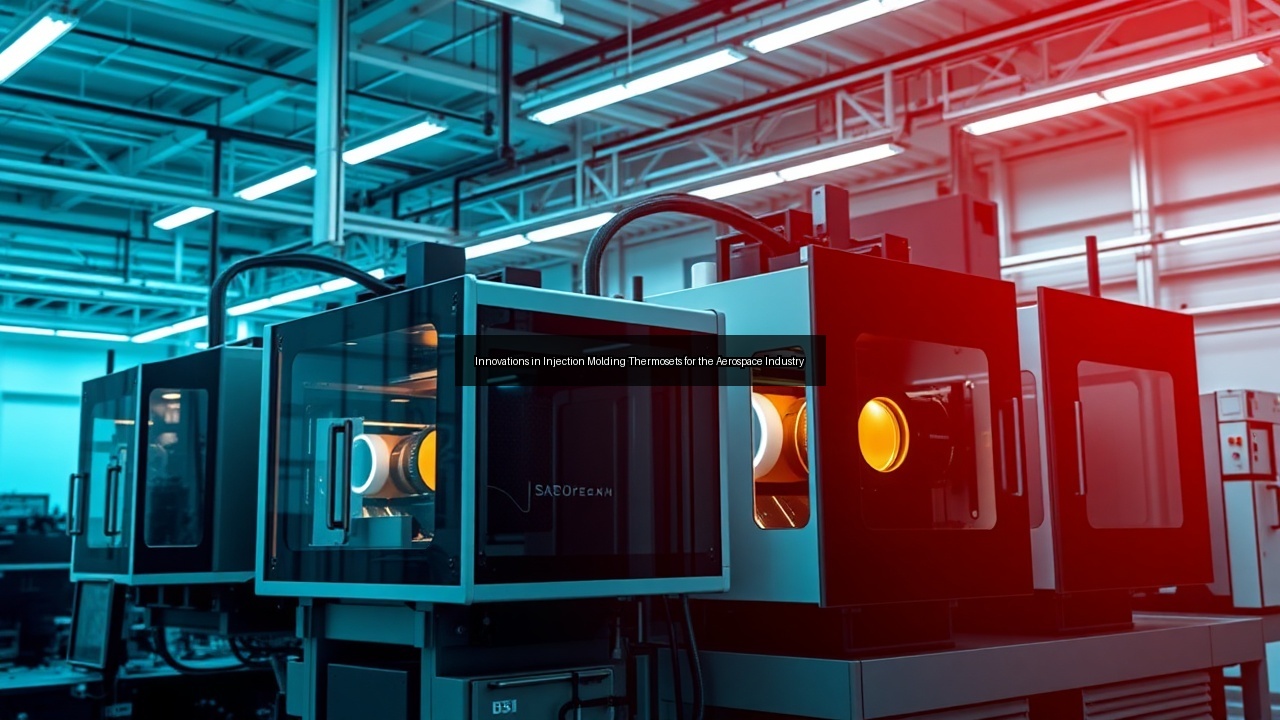
The Role of Injection Molding Thermosets in Aerospace Manufacturing
Overview of Aerospace Industry Requirements
The aerospace industry demands materials that exhibit exceptional performance under extreme conditions. Components must withstand high temperatures, resist corrosion, and maintain structural integrity over prolonged periods. Injection injection molding materials molding thermosets meet these rigorous requirements through their inherent properties. Thermosets, unlike thermoplastics, undergo a chemical change when cured, resulting in a rigid structure that is resistant to deformation and heat. This durability makes thermoset materials a preferred choice for producing critical components such as brackets, housings, and insulators. The aerospace sector focuses on weight reduction while enhancing performance, making the lightweight nature of thermoset injection molded parts particularly advantageous.
Importance of Material Selection
Material selection in aerospace manufacturing affects performance, safety, and compliance with stringent regulations. Manufacturers prioritize materials that can endure the operational stress of flight, including changes in pressure and temperature. Thermoset materials, such as epoxy resins and phenolics, provide superior mechanical properties compared to their thermoplastic counterparts. These materials exhibit minimal thermal expansion, enhancing dimensional stability in high-stress environments. Furthermore, the ability to tailor thermoset formulations for specific applications allows designers to optimize strength, weight, and resistance to environmental factors like moisture and chemicals. This precision in material selection plays a crucial role in achieving the desired performance standards in aerospace components.
Advantages of Thermosets over Thermoplastics
Thermosets offer distinct advantages over thermoplastics, particularly in aerospace applications. One major benefit lies in their cross-linked structure, which provides enhanced thermal stability and mechanical strength. Thermosets can withstand higher temperatures and resist deformation, making them ideal for components that experience heat during operation. Additionally, thermosets demonstrate superior chemical resistance, crucial for parts exposed to aggressive environments. While thermoplastics are popular for their ease of processing and recyclability, thermosets excel in applications where performance under stress is paramount. The long-term durability of thermosets often leads to lower maintenance costs and increased safety, aligning with the aerospace industry's focus on reliability and performance.
Innovative Thermoset Materials for Aerospace Applications
Exploring Acrylonitrile Butadiene Styrene (ABS)
Acrylonitrile Butadiene Styrene (ABS) represents a versatile thermoplastic that has found its place in aerospace applications due to its balance of strength, ductility, and resistance to impact. While traditionally considered a thermoplastic, advancements in thermoset technology have led to the development of ABS-based thermoset materials that enhance performance characteristics. These innovative formulations leverage the toughness of ABS while providing the thermal stability associated with thermosets. This hybrid approach allows aerospace manufacturers to produce parts that require both the flexibility of thermoplastics and the rigidity of thermosets, making ABS a critical component in the future of aerospace design and manufacturing.
The Use of Polypropylene in Aerospace Components
Polypropylene (PP) is another thermoplastic material that has gained traction in aerospace components, particularly in applications requiring lightweight and corrosion-resistant solutions. While primarily a thermoplastic, the development of thermoset variants of polypropylene offers enhanced performance for specific aerospace needs. This includes improved heat resistance and structural integrity. Polypropylene's low density contributes to weight savings, a critical factor in aerospace engineering where every ounce counts. By incorporating thermoset characteristics into polypropylene formulations, manufacturers can create injection molded parts that deliver the desired balance of strength and flexibility, making them ideal for non-structural components like interior fittings and panels.
Recyclability and Sustainability of Thermoset Materials
Recyclability and sustainability have become focal points in the aerospace industry, urging manufacturers to consider the environmental impact of materials used. Traditional thermosets face challenges in recycling due to their irreversibly cured nature. However, innovations in thermoset materials are paving the way for more sustainable solutions. Researchers are developing thermoset formulations that can be reprocessed or recycled, aligning with the industry's shift toward eco-friendly practices. The introduction of bio-based thermosets and the advancement of recycling technologies for thermosets hold promise for reducing waste and enhancing sustainability in aerospace manufacturing. These developments not only meet regulatory requirements but also respond to the growing demand for environmentally responsible practices.
Advancements in Injection Molding Techniques
Enhancements in the Injection Molding Process
Injection molding techniques have evolved significantly, introducing advancements that improve the efficiency and quality of thermoset manufacturing. Innovations in the injection molding process, such as optimized mold designs and advanced temperature control systems, enhance the curing process of thermosets. These improvements lead to better dimensional accuracy and surface finish in injection-molded parts. Additionally, advancements in automation and robotics streamline the production process, reducing cycle times and labor costs. Such efficiencies are vital in aerospace manufacturing, where precision and speed significantly impact overall production timelines. By adopting these state-of-the-art injection molding techniques, manufacturers can deliver high-quality thermoset components that meet the aerospace industry's stringent requirements.
Applications of Thermoset Injection Molding in Aircraft Design
Thermoset injection molding plays a pivotal role in the design and manufacturing of aircraft components. The ability to create complex geometries with high precision is essential for modern aircraft, where lightweight and strong materials are paramount. Common applications of thermoset injection molded parts include engine components, structural reinforcements, and cabin interiors. These parts benefit from thermoset properties, such as thermal stability and chemical resistance, ensuring they can withstand the rigorous demands of flight. Moreover, the flexibility of thermoset materials allows engineers to innovate designs that enhance overall aircraft performance while adhering to weight restrictions. This integration of thermoset injection molding into aircraft design exemplifies the industry's commitment to advancing aerospace technology.
Quality Standards: ISO 13485 and Aerospace
Quality standards play a crucial role in aerospace manufacturing, ensuring that materials and processes meet safety and performance requirements. ISO 13485, a standard for quality management systems in the medical device industry, is increasingly adopted in aerospace applications due to its rigorous focus on quality assurance. The principles of ISO 13485 emphasize continuous improvement and risk management, aligning perfectly with the aerospace industry's need for reliability. Manufacturers of injection molded thermosets must adhere to these standards to guarantee that their products meet the high expectations of safety and performance. Compliance with ISO 13485 not only enhances product quality but also builds trust among stakeholders in the aerospace sector.
Future Trends in Injection Molding Thermosets
Emerging Technologies in Thermoset Molding
Emerging technologies are set to transform the landscape of thermoset injection molding in aerospace applications. Innovations such as 3D printing with thermoset materials are gaining traction, allowing for rapid prototyping and customization of components. This technology enables manufacturers to produce complex parts with reduced lead times, enhancing design flexibility. Furthermore, advancements in digital twin technology provide real-time insights into the molding process, allowing for better control over quality and performance. As the aerospace industry continues to embrace digital transformation, these technologies will play a critical role in optimizing thermoset injection molding processes, resulting in enhanced efficiency and reduced costs.
The Impact of Chemicals on Thermoset Performance
The performance of thermoset materials in aerospace applications is significantly influenced by the chemicals used in their formulation. The choice of resin, hardeners, and additives can affect properties such as heat resistance, mechanical strength, and chemical compatibility. Ongoing research focuses on identifying the optimal chemical compositions that enhance the performance of thermoset materials without compromising their environmental sustainability. Understanding the interactions between these chemicals and the end-use conditions is crucial for developing thermosets that meet the demanding requirements of aerospace applications. As manufacturers continue to innovate, the impact of chemicals on thermoset performance will remain a key area of focus.
Predicted Developments in Thermoset Plastics for Aerospace
Predicted developments in thermoset plastics point toward a future where enhanced performance meets sustainability. Researchers are exploring bio-based thermosets that offer similar or superior properties to traditional materials while reducing reliance on fossil fuels. Additionally, the integration of smart materials into thermosets could lead to components that respond to environmental changes, improving safety and performance. These advancements in thermoset technologies promise to address the evolving needs of the aerospace industry, ensuring that manufacturers can produce high-quality, reliable components that meet both performance and environmental standards. The future of injection molding thermosets in aerospace looks promising, with innovations set to redefine the possibilities of material science and engineering.
See Also
- The Role of Thermosets in Creating Lightweight Automotive Components
- Navigating Design Challenges with Thermoset Injection Molding
- The Environmental Impact of Thermoset Plastics in Injection Molding
- From Concept to Creation Exploring the Injection Molding Process for Thermoset Plastics
- Understanding the Differences Between Thermosets and Thermoplastics in Injection Molding