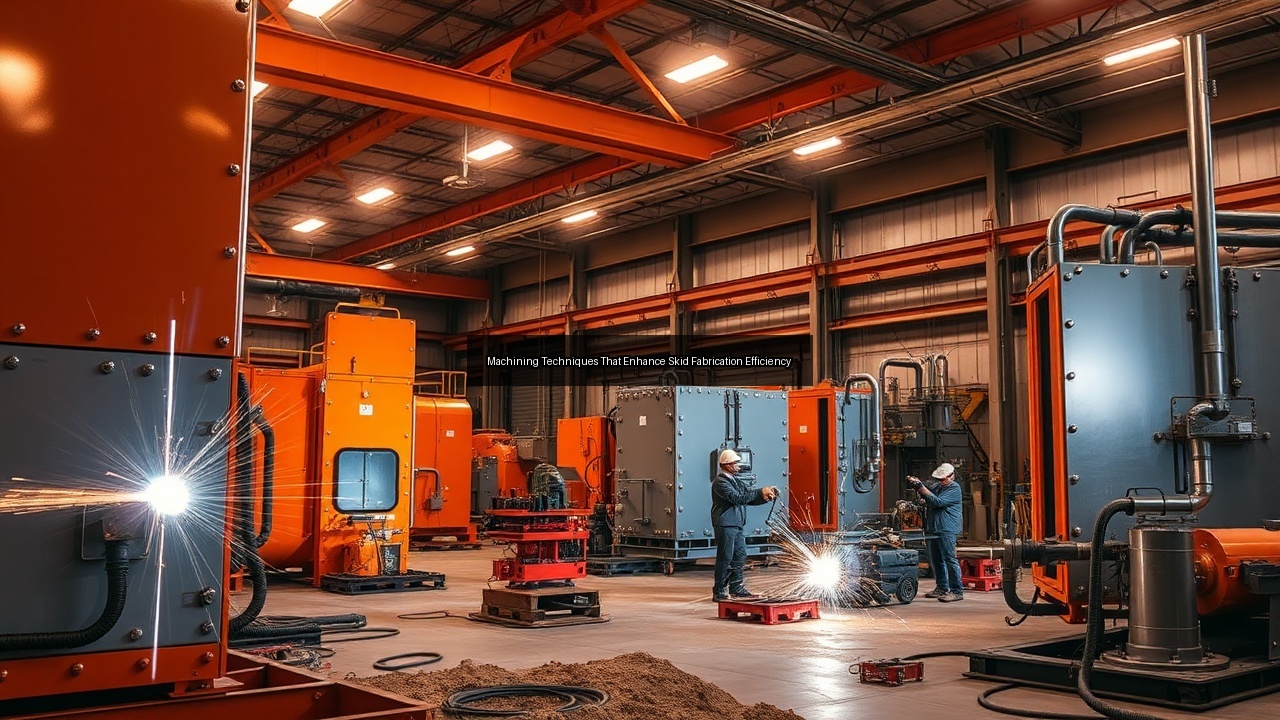
Machining Techniques That Enhance Skid Fabrication Efficiency
Understanding Modular Process Skid Fabrication
Overview of Modular Skid Systems
Modular process skids serve as integral components in various industries, particularly in the oil and gas sector. These pre-engineered systems integrate multiple functionalities into a single framework, providing streamlined solutions for complex processes. Each modular skid system is designed to be portable and easily transportable, allowing for rapid deployment at job sites. They often combine several processes, such as separation, filtration, and chemical injection, into one cohesive unit. This design reduces the time and labor required for installation, which translates to cost savings and improved project timelines. Moreover, companies can adapt these modular skids for different applications, enhancing their versatility across various operational settings.
Importance of Custom Skid Fabrication
Custom skid fabrication addresses the unique needs of each project, tailoring designs to fit specific operational requirements. Unlike standard systems, custom solutions allow for the integration of specialized features that enhance functionality. This personalization ensures that companies can optimize their processes and achieve maximum efficiency. Custom skid fabrication also permits the utilization of advanced technologies and materials that might not be available skid fabrication company in off-the-shelf products. Manufacturers can work closely with clients to develop skids that meet precise specifications and performance parameters, making them skid fabrication services invaluable for projects in industries such as oil and gas, chemical processing, and construction.
Key Benefits in the Oil and Gas Industry
The oil and gas industry relies heavily on modular skids for their operational efficiency and reliability. These skids facilitate quicker project execution due to their prefabricated nature, allowing companies to minimize downtime. Additionally, modular skids simplify logistics, as they can be easily transported to remote locations. The standardization of components enhances quality control, ensuring that each module meets stringent industry standards and expectations. Furthermore, the flexibility of modular process systems allows for easy upgrades and modifications, which is critical in an ever-evolving market. Companies can adapt their skids to incorporate new technologies or processes, ensuring they remain competitive and compliant with industry regulations.
Machining Techniques to Enhance Fabrication Efficiency
Advanced Welding Techniques for Modular Skids
Welding is a crucial aspect of skid fabrication, particularly when it comes to ensuring structural integrity and durability. Advanced welding techniques, such as TIG (Tungsten Inert Gas) and MIG (Metal Inert Gas) welding, have revolutionized the way manufacturers approach the fabrication process. These methods offer precision and strength, critical for modular skids that endure harsh operational environments. Utilizing automation in welding processes can further enhance efficiency. Robotic welding systems provide consistent quality and reduce the likelihood of human error, ensuring that each weld meets high standards. As a result, companies can achieve tighter tolerances and faster production rates, significantly decreasing overall fabrication costs while maintaining quality.
Utilizing Alloy Materials for Strength and Durability
The choice of materials in skid fabrication plays a vital role in the performance and longevity of the final product. Alloy materials, known for their strength and resistance to corrosion, are particularly advantageous in the oil and gas industry where exposure to harsh chemicals and extreme temperatures is common. By selecting the right alloys, manufacturers modular skid fabrication can enhance the structural integrity of modular skids, reducing the risk of failure during operation. Additionally, the lightweight nature of certain alloys promotes easier handling and transportation of skids, further streamlining the fabrication process. Incorporating advanced materials not only boosts performance but also contributes to the overall reduction in lifecycle costs, making alloy materials an essential consideration in skid fabrication.
Innovative Machining Technologies and Their Impact on Cost
Innovative machining technologies have transformed the skid fabrication landscape, allowing for increased efficiency and precision. Techniques such as CNC (Computer Numerical Control) machining automate the cutting and shaping of materials, providing unparalleled accuracy and repeatability. This automation reduces labor costs and minimizes material waste, leading to significant savings in the fabrication process. Furthermore, advancements in 3D printing technology allow manufacturers to create complex components that were previously difficult to produce using traditional methods. The ability to rapidly prototype and iterate on designs enables companies to bring products to market faster and at a lower cost. Embracing these technologies ensures that manufacturers remain competitive in a fast-paced industry where efficiency and cost-effectiveness are paramount.
Quality Control and Assurance in Skid Fabrication
Implementing Quality Management Systems
Quality management systems (QMS) are essential in skid fabrication to ensure that every aspect of the production process meets stringent standards. A well-designed QMS encompasses all stages of fabrication, from initial design through to final inspection. It outlines procedures for monitoring quality and implementing corrective actions as needed. By adopting a proactive approach to quality control, manufacturers can identify potential issues early in the fabrication process, minimizing the risk of defects and costly rework. Regular audits and assessments of the QMS help maintain compliance with industry regulations and foster a culture of continuous improvement, ultimately leading to enhanced customer satisfaction and operational efficiency.
Safety Standards and Risk Management in Fabrication
Safety standards play a critical role in skid fabrication, particularly in high-risk industries such as oil and gas. Manufacturers must adhere to stringent safety regulations to protect their workforce and ensure the integrity of the fabrication process. Implementing robust risk management strategies helps identify potential hazards and establish mitigation measures. Training employees on safety protocols and conducting regular safety audits fosters a safe working environment, reducing the likelihood of accidents and injuries. Companies that prioritize safety not only protect their employees but also enhance their reputation, making them more attractive to potential clients and partners in the competitive landscape of skid fabrication.
Importance of Licensing and Compliance for Manufacturers
Licensing and compliance are non-negotiable aspects of skid fabrication, particularly for manufacturers operating in regulated industries. Compliance with industry standards ensures that products meet safety and performance criteria, thus protecting both the manufacturer and the end user. Obtaining the necessary licenses demonstrates a commitment to quality and regulatory adherence, providing clients with confidence in the manufacturer’s capabilities. Furthermore, staying informed about changing regulations allows companies to adapt their processes accordingly, avoiding potential penalties and disruptions. Investing in compliance not only safeguards a manufacturer’s operations but also enhances their credibility in the marketplace, ultimately contributing to long-term success.