The Rise of Miniature RTDs in Hobbyist Circles

Understanding Miniature RTDs: A Hobbyist's Perspective
What are Miniature RTDs?
Miniature RTDs represent compact versions of resistance temperature detectors scaled down for personal projects and display. Hobbyists build these units to monitor conditions in small environments like terrariums, model vehicles, or custom enclosures. Each miniature RTD contains a sensing element, wiring, and housing that fits in the palm of a hand while delivering accurate readings comparable to full-size instruments.
Enthusiasts value miniature RTDs for their precision in tight spaces where standard probes prove too bulky. Users integrate them into setups that track soil temperature in plant boxes or airflow around electronic assemblies. The core technology remains identical to industrial sensors, yet the reduced footprint opens new applications in home workshops and creative builds.
Many builders start with commercial miniature RTDs before modifying them for specific needs. They calibrate units against known references and log data through microcontrollers. This hands-on process teaches fundamentals of electronics and measurement while producing functional tools that outperform generic alternatives in confined areas.
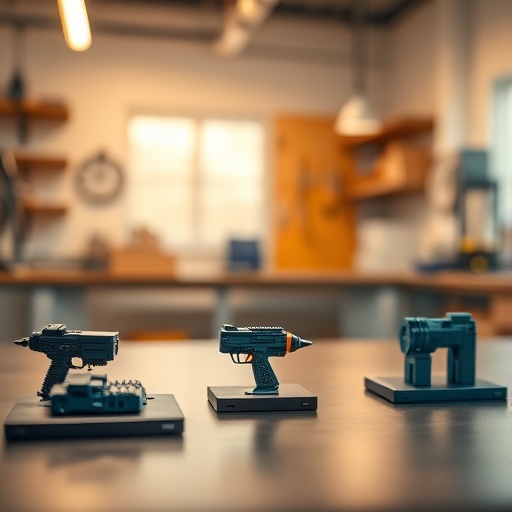
Collectors display finished miniature RTDs alongside other instruments in dedicated cases. The devices combine utility with visual appeal when housed in custom casings that highlight the sensor element. Demand continues to grow as more people discover how these compact sensors enhance monitoring tasks across varied hobbies.
The Appeal of Mini RTDs in Hobby Circles
Mini RTDs attract builders who seek reliable temperature data without sacrificing space in their projects. The small size allows placement inside model rockets, aquarium filters, or 3D-printed enclosures where larger probes would interfere with operation. Hobbyists report better results when they embed miniature RTDs directly into working assemblies rather than relying on external clips.
Cost remains reasonable for entry-level units, and experienced users upgrade components to extend range or improve response time. Forums document successful installations in reptile habitats, fermentation chambers, and even portable weather stations. The consistent accuracy of miniature RTDs builds trust among participants who compare readings across multiple devices.
Visual customization adds another layer of interest. Painters apply finishes that match surrounding miniatures, turning functional sensors into integrated display pieces. This blend of practicality and aesthetics draws newcomers who initially purchase one unit and quickly expand their collection. Mini RTDs therefore serve both measurement and creative roles in active hobby spaces.
The Evolution of Miniatures and Their Impact on RTDs
From Traditional Models to Miniature RTDs
Traditional models once dominated hobby workbenches as static representations of larger machines or environments. Builders crafted them from wood, metal, or cast resin to capture fine details at reduced scales. Over time, interest shifted toward functional elements that interact with real-world conditions, leading directly to the adoption of miniature RTDs as active components within those same models.
Early adopters repurposed industrial sensors by trimming leads and fabricating adapter mounts. These modifications produced the first true miniature RTDs suitable for tabletop use. Success stories spread through local clubs, prompting manufacturers to offer pre-scaled versions designed specifically for hobby integration. Accuracy improved as calibration kits became widely available.
Today miniature RTDs coexist with classic static models, often placed inside them to record internal temperatures during testing. This evolution transformed passive displays into dynamic systems that provide measurable feedback. Builders now treat miniature RTDs as essential upgrades rather than optional extras, extending the lifespan and relevance of their existing model collections.
How 3D-Printable Miniatures Changed the Game
3D-printable miniatures introduced rapid iteration to the scene by letting users produce custom housings and mounts for miniature RTDs on demand. Designers share files that accommodate specific sensor dimensions, allowing builders to create protective shells that match surrounding scenery or equipment. The technology eliminated long waits for commercial parts and encouraged experimentation with shapes previously impossible to machine.
Printers output lightweight frames that secure miniature RTDs without adding excess bulk. Users refine designs after each test run, adjusting vents or mounting points to optimize thermal response. Communities exchange successful print settings and material recommendations that produce durable, heat-resistant results. This feedback loop accelerates development of new miniature RTD configurations.
Integration with 3D-printable miniatures also fostered hybrid projects where sensors hide within detailed figures or structures. The resulting assemblies maintain visual fidelity while delivering data streams to connected displays. Adoption of 3D printing therefore expanded both the variety and sophistication of miniature RTD applications across hobby circles.
Crafting and Customizing Mini RTDs
Techniques for Creating Unique Miniature RTDs
Builders begin by selecting a base miniature RTD and mapping its electrical connections. They then design enclosures that route wires cleanly while exposing the sensing tip to the target medium. Soldering requires steady hands and fine tips to avoid damaging delicate leads. Once assembled, units undergo bench testing against reference thermometers to verify performance before final placement.
Advanced techniques include potting sensors in thermally conductive epoxy for vibration resistance or adding miniature heat sinks for faster stabilization. Some creators incorporate wireless modules so miniature RTDs transmit readings without physical cables. Documentation of each step helps others replicate successful builds and avoid common pitfalls like signal noise or calibration drift.
Finishing work transforms raw assemblies into polished pieces. Sanding, priming, and painting blend the miniature RTD into its environment. Clear coats protect surfaces from moisture while preserving readability of any labels. These methods produce one-of-a-kind instruments that reflect the builder's skill and intended application.
Popular Materials for Mini RTD Construction
PLA and PETG dominate 3D-printed housings because they balance printability with adequate temperature tolerance for most indoor projects. Brass tubing provides durable shielding around the sensor element when extra mechanical protection is required. Silicone sealant fills gaps and prevents moisture ingress without interfering with thermal transfer.
Hobbyists also employ carbon fiber reinforced filaments for lightweight yet stiff mounts that withstand repeated handling. Copper tape serves as both shield and heat spreader in compact layouts. Adhesives range from cyanoacrylate for quick bonds to two-part epoxies for permanent, vibration-proof joints. Material choice directly influences the longevity and accuracy of each finished miniature RTD.
Experimentation continues as new filaments and composites reach the market. Users test thermal conductivity and dimensional stability under real operating conditions before committing to large runs. Shared results help the community identify optimal combinations for different environments, steadily raising the quality of custom miniature RTD builds.
The Community Behind Miniature RTDs
Online Forums and Groups for Miniature Enthusiasts
Dedicated forums host threads on miniature RTD calibration, wiring diagrams, and enclosure designs. Members post photographs of completed projects and request feedback on sensor placement or data logging setups. Newcomers receive guidance on sourcing components and avoiding common measurement errors. The collective knowledge base grows daily as participants document both successes and failures.
Discord servers and social media groups organize regular challenges that focus on specific miniature RTD applications, such as monitoring fermentation or model engine temperatures. Live streams demonstrate assembly techniques while moderators answer questions in real time. These platforms lower barriers for beginners and maintain momentum for experienced builders seeking fresh ideas.
Resource libraries within these communities archive tested designs and material comparisons. Searchable archives let users locate miniature RTD solutions for niche problems without starting from scratch. Active moderation keeps discussions constructive and focused on practical outcomes.
Collaborative Projects and Events in the Mini RTD Scene
Group builds pair miniature RTDs with 3D-printable miniatures to create shared monitoring stations for club events. Participants contribute individual sensors that feed into a central data display, revealing temperature variations across a large diorama or test rig. These projects strengthen connections while producing tangible results that everyone can examine.
Annual meetups feature workshops on advanced calibration and live demonstrations of new miniature RTD prototypes. Vendors showcase components and printers optimized for small-scale work. Awards recognize innovative designs that combine accuracy with creative presentation, motivating further refinement across the scene.
Online collaborations extend participation to remote members who ship modules for integration into larger assemblies. Results return as shared data sets and updated design files. This cycle of contribution and feedback keeps the miniature RTD community vibrant and continually expanding its collective capabilities.